
AI voice generators have improved dramatically. Today’s tools can create natural-sounding voiceovers for YouTube videos, podcasts, advertisements, audiobooks, online courses, social media videos, and business content.
Here are some of the best AI voice generators to try in 2026.
🏆 Top AI Voice Generators
| Tool | Best For |
|---|---|
| ElevenLabs | ⭐ Most realistic voices |
| Murf AI | Business & presentations |
| PlayAI | Voice generation & conversational AI |
| Speechify | Reading & voiceovers |
| Descript | Video & podcast editing |
| Resemble AI | Voice cloning |
| WellSaid Labs | Professional narration |
| Synthesia | AI videos with avatars |
| Cartesia | Real-time AI voices |
| Deepgram | Developers & voice applications |
Recent 2026 comparisons consistently put ElevenLabs near the top for naturalness, while Murf is particularly useful for structured voice production and Speechify offers an easy workflow.
1. ElevenLabs — Best Overall
If your priority is realistic, human-like voice generation, ElevenLabs is one of the strongest options available.
It can be used for:
- YouTube narration
- Podcasts
- Audiobooks
- Advertisements
- Social media videos
- Dubbing
- Voice cloning
- Multilingual content
It also provides controls for aspects such as pacing, tone and expressive delivery. TechRadar’s 2026 testing highlights ElevenLabs for lifelike voiceovers, voice cloning and multilingual dubbing.
Best for: YouTubers, creators, businesses and audiobook creators.
⭐ My pick: Best overall AI voice generator
2. Murf AI — Best for Business Voiceovers
Murf is designed around a more complete voice-production workflow.
It’s useful for:
- Presentations
- Training videos
- Advertisements
- E-learning
- Corporate videos
- Marketing content
Murf is frequently highlighted as a strong choice when you want a studio-style workflow rather than simply converting text into speech.
Best for: Businesses, teachers, marketers and course creators.
3. PlayAI — Best for Conversational Voices
PlayAI, formerly associated with Play.ht, is another major player in AI voice generation.
It can be useful for:
- Voiceovers
- Conversational AI
- Podcasts
- Narration
- Voice applications
Recent 2026 comparisons identify PlayAI/Play.ht as a strong alternative to ElevenLabs, particularly when users care about value and higher-volume generation.
Best for: Creators and developers who need AI-generated voices.
4. Speechify — Best for Text-to-Speech
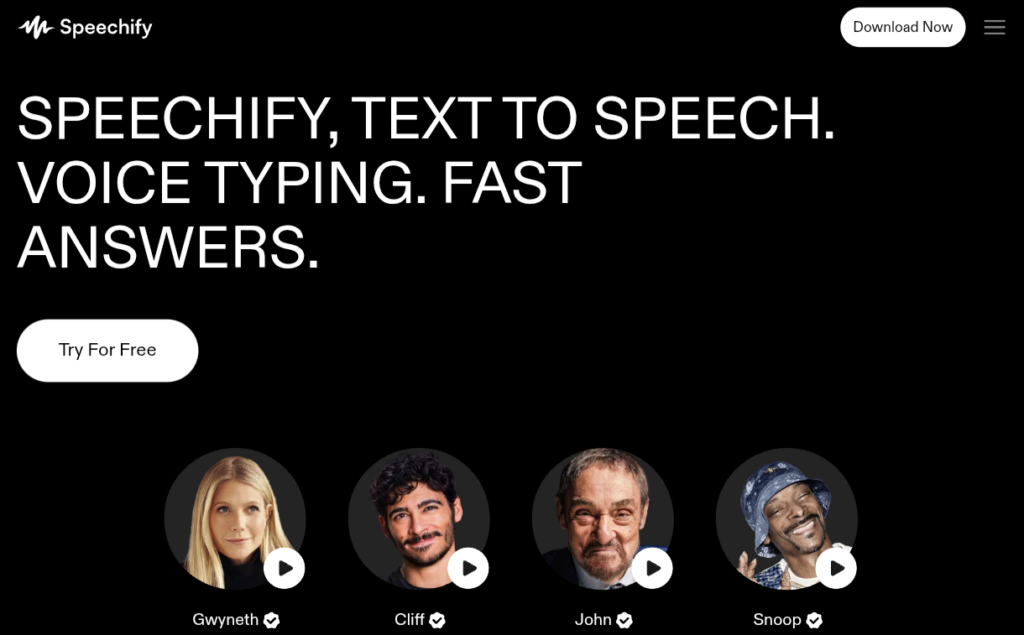
Speechify is particularly well known for converting written content into spoken audio.
You can use it for:
- Reading articles
- Studying
- Listening to documents
- Audiobooks
- Voiceovers
It’s a good choice if your primary requirement is turning written content into natural-sounding speech rather than building a complete production workflow.
Best for: Students, readers and content creators.
5. Descript — Best for Video and Podcast Editing
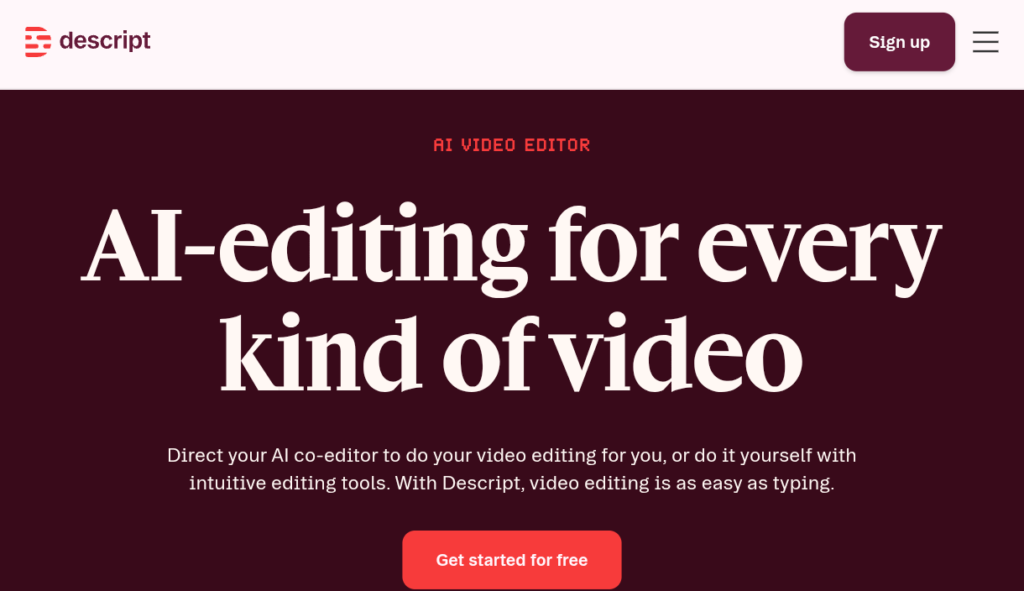
Descript takes a different approach.
Instead of being only an AI voice generator, it combines voice AI with audio and video editing.
You can work with:
- Podcasts
- YouTube videos
- Interviews
- Tutorials
- Voiceovers
Descript is particularly useful when you want to generate or edit speech inside a broader video/audio workflow. TechRadar’s 2026 review highlights its transcript-based editing approach and AI audio tools.
Best for: YouTubers and podcasters.
6. Resemble AI — Best for Voice Cloning
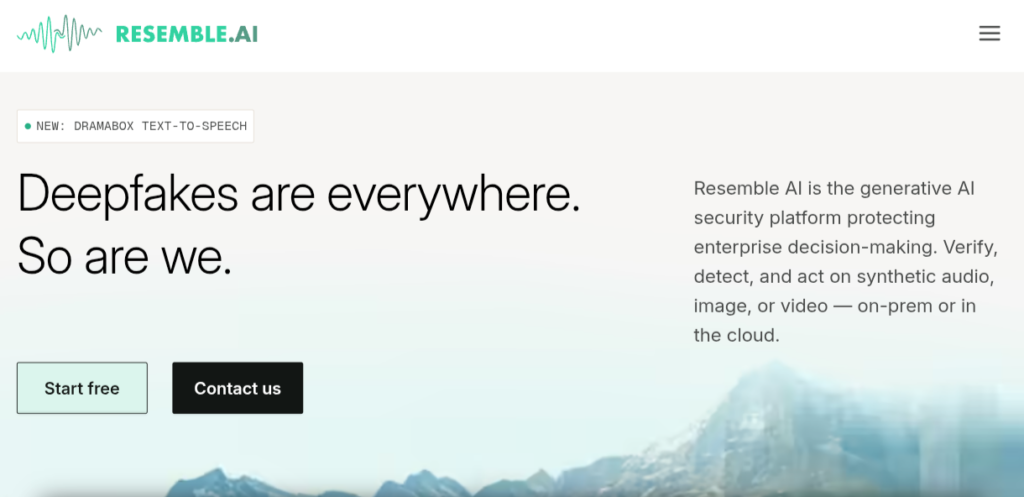
Resemble AI focuses heavily on custom voices and voice cloning.
Potential applications include:
- Games
- Virtual characters
- Business applications
- Voice assistants
- Content creation
Voice cloning should only be used when you have the necessary permission and rights to clone a person’s voice.
Best for: Developers and businesses building custom voice experiences.
7. WellSaid Labs — Best for Professional Narration

WellSaid Labs is aimed more toward professional and business voice production.
It’s useful for:
- Training
- E-learning
- Corporate videos
- Product demonstrations
- Professional narration
Best for: Companies and educational content creators.
8. Synthesia — Best for AI Video + Voice
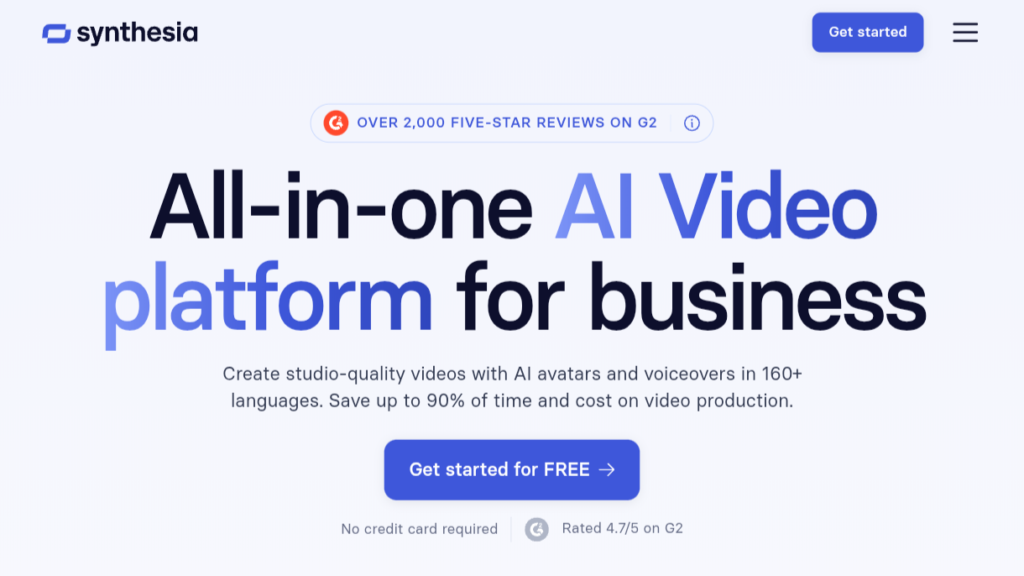
Synthesia combines AI-generated voices with AI presenters/avatars.
Instead of creating only an audio file, you can create videos featuring a digital presenter.
This can be useful for:
- Training videos
- Corporate communication
- Tutorials
- Presentations
- Marketing videos
Best for: Businesses that need complete AI-presenter videos.
9. Cartesia — Best for Real-Time Voice AI
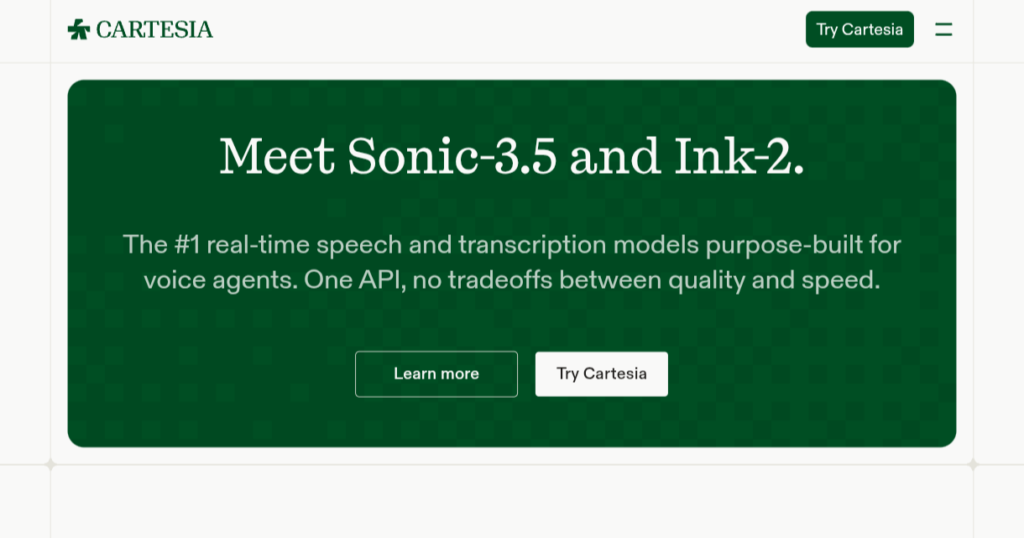
Cartesia is particularly interesting if you’re building real-time conversational voice applications.
For these applications, voice quality isn’t the only factor. Latency matters too—users don’t want long pauses during a conversation.
Community testing of real-time voice systems highlights latency and streaming behavior as important factors when choosing a voice model.
Best for: Developers building real-time voice agents.
10. Deepgram — Best for Developers
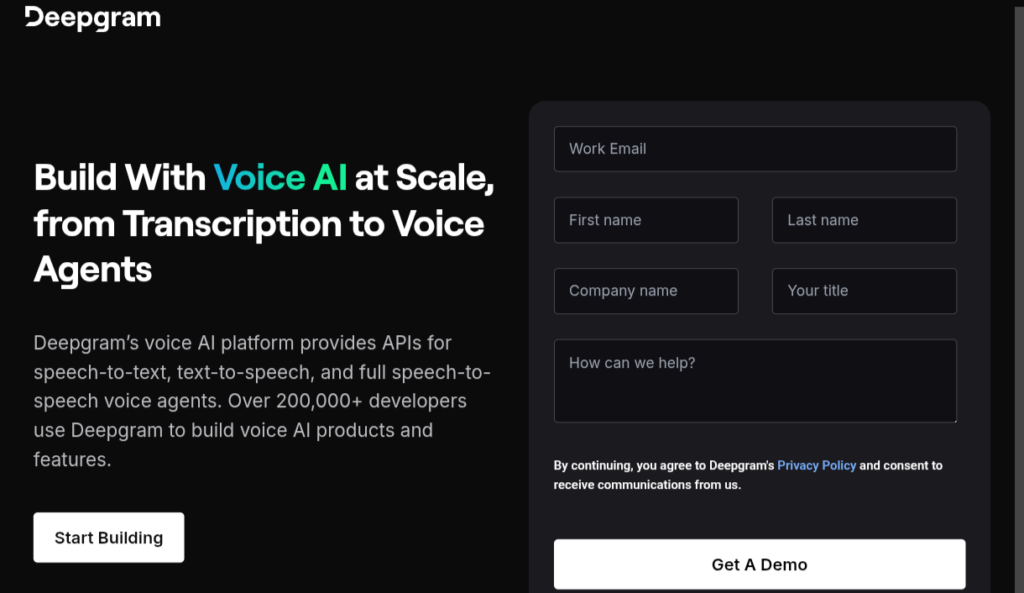
Deepgram provides speech AI technology for developers and businesses.
It’s particularly relevant for applications involving:
- Speech-to-text
- Text-to-speech
- Voice agents
- Call automation
- Conversational AI
Best for: Developers and companies building voice-powered applications.
Which AI Voice Generator Should You Choose?
🎬 For YouTube videos
ElevenLabs
It provides highly natural voices and is especially suitable for narration.
🎙️ For podcasts
ElevenLabs or Descript
Descript is especially useful if you also want to edit your podcast.
🏢 For businesses
Murf AI
Its structured workflow makes it well suited to presentations, training and corporate content.
📚 For students
Speechify
It’s useful when you want written material converted into speech.
🤖 For AI voice agents
Cartesia or Deepgram
These are more appropriate when real-time performance and developer integration matter.
🧬 For voice cloning
ElevenLabs or Resemble AI
Only clone voices when you have the required permission.
Are AI Voice Generators Free?
Some AI voice generators offer free tiers or limited trials, but the exact limits vary.
For example, current 2026 comparisons report free access or limited free usage for several major platforms, while more advanced features and higher-volume generation generally require paid plans.
Before choosing a tool, check:
- Monthly character limits
- Commercial-use rights
- Voice-cloning availability
- Number of voices
- Supported languages
- Export options
- API access
Are AI Voices Good Enough for YouTube?
Yes.
Modern AI voices can be good enough for:
- Faceless YouTube channels
- Explainer videos
- Tutorials
- Shorts
- Educational content
- Product videos
- Storytelling
However, don’t simply generate a voice and upload it without editing.
For better results:
- Write a natural script.
- Use short sentences.
- Add pauses.
- Choose a voice appropriate for your audience.
- Adjust pacing.
- Add background music carefully.
- Edit awkward pronunciations.
- Listen to the entire narration before publishing.
The goal should be to make the narration sound natural, rather than obviously AI-generated.
Final Verdict
If you only want to try one AI voice generator, I’d start with ElevenLabs. Current 2026 reviews consistently rate it highly for naturalness and voice capabilities.
For business presentations and training, Murf AI is a strong alternative.
For video and podcast editing, Descript makes more sense.
For studying and reading, Speechify is worth trying.
And if you’re a developer building real-time voice applications, Cartesia or Deepgram may be more appropriate than choosing purely on voice realism.
The best AI voice generator isn’t necessarily the one with the most realistic demo—it’s the one that fits your specific workflow, budget and intended use.
A well-structured and informative website for exploring AI voice generation tools. PlayAI stands out for its impressive voice quality, natural output, and user-friendly experience. A valuable resource for anyone exploring AI voice technology.
Keep supporting 💫